


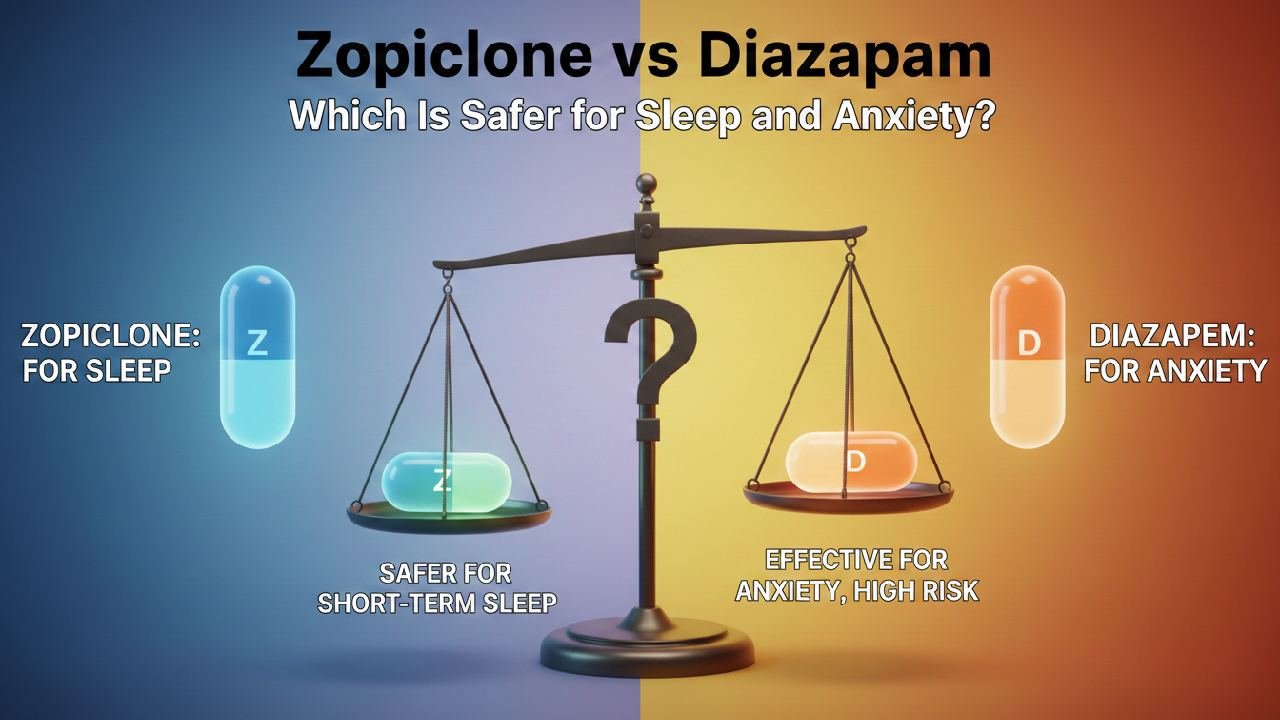
Sleep problems and anxiety disorders are increasingly common in modern life. Stressful work schedules, emotional pressure, irregular routines, and excessive screen exposure have caused a rise in insomnia and anxiety-related conditions worldwide. When lifestyle changes and therapy are not enough, doctors may prescribe medications to provide short-term relief. Two such medications are Zopiclone and Diazepam.
Although both drugs can cause sedation and relaxation, they are very different in purpose, safety profile, and long-term risks. Understanding these differences is crucial for patients, caregivers, and anyone seeking reliable medical information.
In this guide, we explore the key differences between these two medications, including how they work in the body, their approved uses, duration of action, and which option may be better suited to different needs. The focus is on education, responsible use, and patient safety, with particular relevance for UK readers.
If you are prescribed medication or researching support for sleep difficulties, it is essential to rely on accurate information from regulated and trusted sources, such as licensed UK pharmacies and qualified healthcare professionals.
Contents
What Are Zopiclone and Diazepam?
Zopiclone: A Non-Benzodiazepine Hypnotic
Zopiclone is a Z-drug, a type of hypnotic or sleep medication that is chemically distinct from benzodiazepines, but works at similar receptor sites in the brain to promote sedation and sleep. It’s primarily prescribed for short-term treatment of insomnia, especially difficulties falling asleep or staying asleep.
Unlike older benzodiazepines, buy zopiclone uk was developed with a narrower target: to help initiate and maintain sleep with less pronounced muscle-relaxant or anxiolytic effects. It typically has a quick onset (within ~30–60 minutes) and a relatively short duration (around 6–8 hours).
Diazepam: A Benzodiazepine
Diazepam, commonly known by the brand name Valium, is one of the most widely known benzodiazepines. It enhances the inhibitory neurotransmitter GABA in the brain, leading to a variety of calming effects reducing anxiety, relaxing muscles, suppressing seizure activity, and, secondarily, producing sedation.
Unlike zopiclone, diazepam is not primarily a sleep medication; it’s generally prescribed for conditions like anxiety disorders, muscle spasms, seizures, and withdrawal from alcohol. Because of its long half-life (20–100+ hours depending on metabolism), effects can last well beyond the intended period.
How Zopiclone and Diazepam Work
Both zopiclone and diazepam modulate the activity of GABA (gamma-aminobutyric acid), the brain’s primary inhibitory neurotransmitter. GABA slows down brain activity, creating a calming effect.
- Zopiclone binds selectively to certain GABA-A receptor subtypes associated with sleep induction, without as much impact on other functions like muscle tone or cognition. This more targeted action is one reason it tends to produce fewer non-sleep effects at therapeutic doses.
- Diazepam binds broadly to multiple GABA-A receptor subtypes, which is why it produces a wide range of effects from anxiety reduction and muscle relaxation to sedation and amnesia. Its actions are not specific to sleep pathways, which can affect sleep architecture and next-day alertness.
Uses: Sleep vs Anxiety
Zopiclone: Primarily for Sleep
Because zopiclone targets sleep mechanisms, it is mainly used for insomnia, particularly short-term issues when sleep onset or maintenance is disrupted. It may improve total sleep time and sleep quality for many people when taken appropriately.
Important: It is not approved as a treatment for generalized anxiety disorder, panic disorder, order zopiclone online, or widespread anxiety outside of its sedative effect at bedtime.
Diazepam: Primarily for Anxiety (and Other Conditions)
Diazepam is widely prescribed for anxiety disorders, generalized nervousness, panic attacks, and conditions involving muscle tension or seizures. While it can make people drowsy and may help individuals with anxiety-induced trouble sleeping fall asleep, it’s not the best choice as a sleep-specific medication because it:
- alters sleep architecture,
- remains in the body too long (leading to next-day sedation),
- doesn’t selectively target sleep circuits.
In short, diazepam may alleviate anxiety, which indirectly can help with sleep but it isn’t designed as a primary sleep aid.
Safety Profiles: Side Effects & Risks
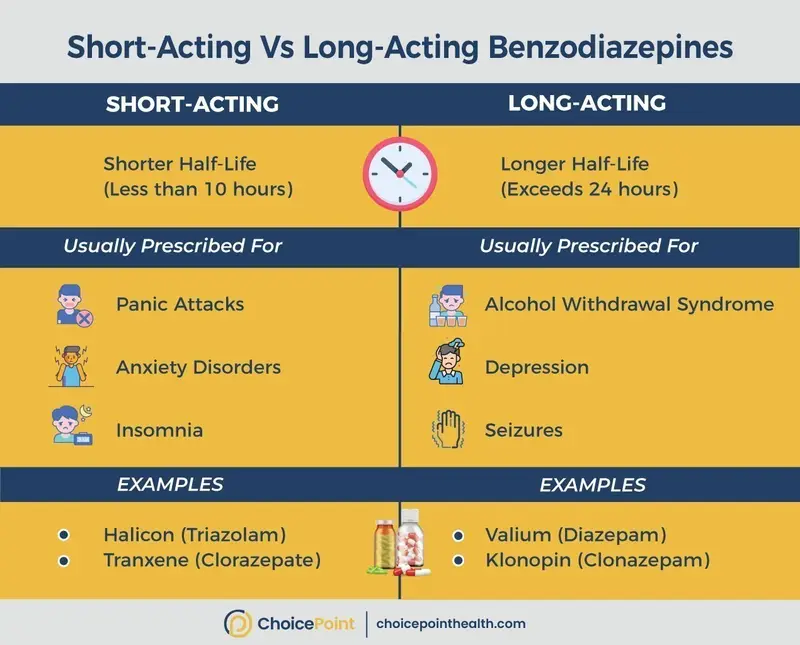
1. Common Side Effects
| Medication | Common Side Effects |
| Zopiclone | Bitter/metallic taste, dry mouth, next-day drowsiness, dizziness |
| Diazepam | Sedation, muscle weakness, poor coordination, memory impairment, daytime drowsiness |
While both medications can cause sleepiness and impaired alertness, diazepam’s broader range of effects (e.g., muscle weakness and cognition issues) often makes it more disruptive the next day, especially with long half-life accumulation.
2. Dependence and Withdrawal
Both drugs have the potential for dependence, but the extent and clinical implications vary:
- Zopiclone: Dependency and tolerance can develop especially if used longer than recommended. Withdrawal symptoms such as rebound insomnia and anxiety can occur but are often shorter or milder compared to benzodiazepines.
- Diazepam: Physical and psychological dependence is well documented, often requiring slow tapering to avoid severe withdrawal symptoms like anxiety, restlessness, nausea, and, in rare cases, seizures. This is because of both its pharmacology and long duration of action.
Regulatory bodies like NICE have warned that benzodiazepines carry notable risks of tolerance, dependence, and rebound symptoms, especially with extended use beyond a few weeks.
3. Accidental Injury and Other Risks
A large population-based study found that zopiclone use (especially at higher doses) was associated with increased risks of fractures and other serious outcomes compared to non-users, though overall mortality was lower than with benzodiazepine use in similar populations.
This illustrates that no sedative medication is entirely risk-free particularly in older adults or individuals with other health conditions.
Sleep Quality and Next-Day Functioning
One of the major practical differences between these medications is how they affect sleep architecture and next-day performance:
- Zopiclone’s shorter action is designed to match a normal sleep cycle, reducing next-day sedation if taken at bedtime with adequate sleep time.
- Diazepam’s longer action often leads to residual effects (grogginess, impaired coordination) that can last well into the next day, potentially affecting driving, work performance, and alertness.
For pure sleep issues, this makes zopiclone generally a more sleep-focused and predictable choice when used appropriately and briefly.
Long-Term Use: Is It Safe?
1. Zopiclone
Medical guidelines typically recommend zopiclone for short-term treatment (typically 7–14 days) and caution against chronic use due to tolerance, dependence, and diminishing effectiveness.
Longer use increases risks of dependence, rebound insomnia, and potential side effects. Therefore, combining medication with sleep hygiene practices and behavioural strategies is essential.
2. Diazepam
Long-term use is riskier with benzodiazepines. Chronic diazepam use leads to stronger dependence and harder-to-manage withdrawal. Many clinical guidelines recommend avoiding daily long-term use for anxiety or sleep unless there’s a compelling, supervised reason.
Conclusion:
Zopiclone and diazepam are different medicines and should not be treated as the same. Zopiclone is mainly prescribed for short-term insomnia. It works quickly to help a person fall asleep and usually does not cause strong next-day drowsiness when used correctly. Diazepam is primarily used for anxiety, muscle relaxation, and seizures. Because it stays in the body much longer, it can lead to daytime sedation, reduced concentration, and a higher risk of dependence.
For sleep-specific problems, zopiclone is generally the more suitable option. Diazepam may only be considered when severe anxiety is affecting sleep. At Znightcare, the focus is on safe, targeted sleep support, and medical advice should always guide treatment choices.
Important Disclaimer
This blog is educational and not a substitute for professional medical advice. Medications like zopiclone and diazepam have benefits and risks that vary based on individual health profiles, concurrent medications, age, and other factors. Always consult with a qualified healthcare provider before making decisions about your treatment.
Also Read: How Do Zopiclone Tablets 7.5mg Help Manage Short Term Insomnia Safely Adults