


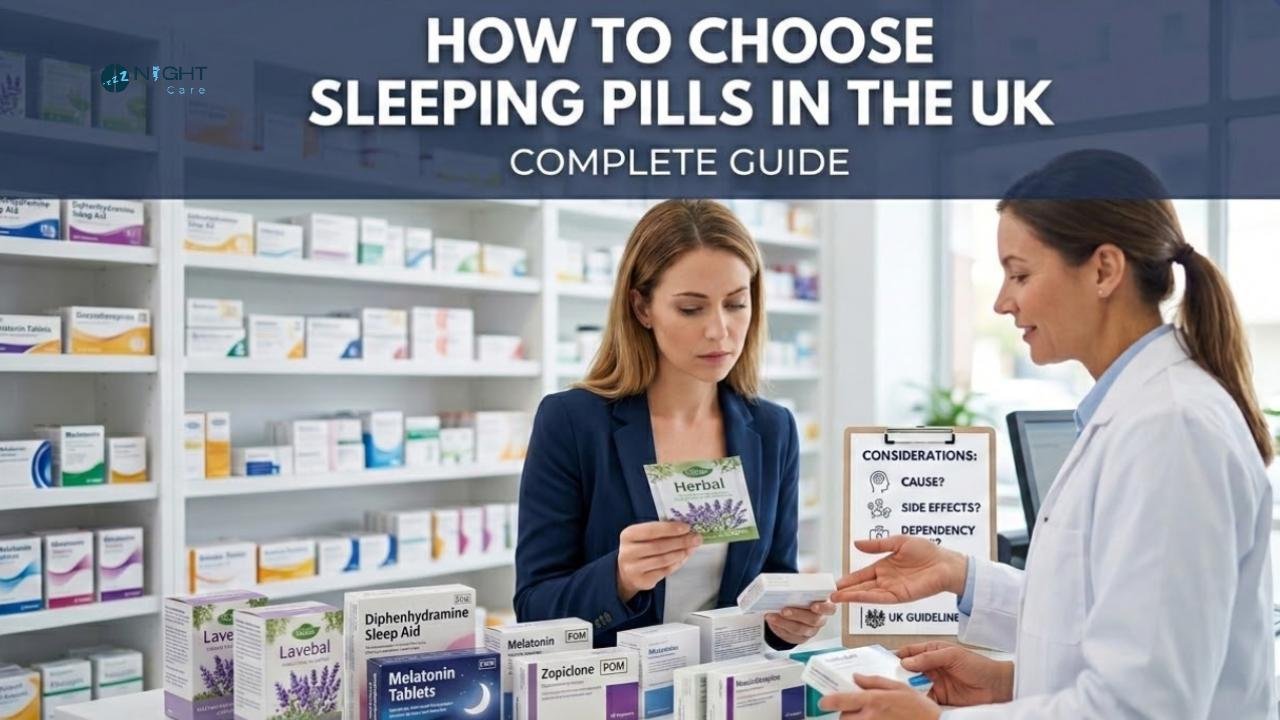
Sleep is essential for physical health, mental wellbeing, and overall quality of life. Unfortunately, millions of people across the UK struggle with sleep-related issues, including insomnia, difficulty falling asleep, frequent waking during the night, and poor-quality rest. When lifestyle changes and natural remedies do not provide relief, many people start looking into sleeping pills as a potential solution.
However, choosing the right sleeping medication is not always straightforward. There are different types of sleep aids available, varying levels of effectiveness, potential side effects, and important safety considerations. This guide explains everything you need to know about choosing sleeping pills in the UK, helping you make informed decisions while prioritizing your health and safety.
Contents
- 1 Why Sleep Problems Are Increasing in the UK
- 2 Understanding the Causes of Sleep Problems
- 3 Types of Sleeping Pills Available in the UK
- 4 When Should You Consider Sleeping Pills?
- 5 Key Factors to Consider When Choosing Sleeping Pills
- 6 Understanding Zopiclone
- 7 The Importance of Buying from Trusted Sources
- 8 Non-Medication Approaches to Better Sleep
- 9 Cognitive Behavioural Therapy for Insomnia (CBT-I)
- 10 Who Should Avoid Certain Sleeping Pills?
- 11 Common Myths About Sleeping Pills
- 12 Conclusion
Why Sleep Problems Are Increasing in the UK
Modern lifestyles have created several challenges that can negatively impact sleep quality. Long working hours, increased screen time, financial pressures, stress, and health concerns all contribute to sleep difficulties.
Common symptoms of poor sleep include:
- Taking longer than 30 minutes to fall asleep
- Frequently waking during the night
- Feeling tired despite spending enough time in bed
- Difficulty concentrating during the day
- Irritability and mood changes
- Reduced productivity
While occasional sleepless nights are normal, persistent sleep problems should not be ignored.
Understanding the Causes of Sleep Problems
Before using sleeping pills or other sleep aids, it is important to understand why you are having trouble sleeping. Sleep difficulties, including insomnia, can be caused by a range of physical, emotional, and lifestyle factors, such as:
- Stress and anxiety
- Depression or other mental health concerns
- Chronic pain or ongoing discomfort
- Shift work and irregular schedules
- Jet lag from travel
- Poor sleep routines and habits
- Certain medications
- Medical conditions such as sleep apnoea
Identifying the underlying cause of your sleep problems can help you choose the most appropriate treatment. In many cases, addressing the root issue may improve sleep without the need for medication, while in others, sleeping pills may be recommended as part of a broader treatment plan.
Types of Sleeping Pills Available in the UK
The UK offers several categories of sleep medications and sleep aids.
1. Prescription Sleeping Pills
Prescription medications are generally recommended for short-term treatment of severe insomnia. These medications are prescribed by healthcare professionals and should only be used under medical supervision.
One of the most commonly prescribed medications is Zopiclone. Many people searching for sleep solutions may come across terms such as Sleeping Pills UK Zopiclone, as it remains one of the most recognized prescription treatments for short-term insomnia.
Zopiclone works by affecting neurotransmitters in the brain that promote relaxation and sleep. It can help individuals fall asleep faster and stay asleep longer.
2. Over-the-Counter Sleep Aids
Some sleep aids can be purchased without a prescription. These often contain antihistamines that cause drowsiness. While they may help some people with occasional sleeplessness, they are generally not intended for long-term use.
3. Herbal and Natural Remedies
Natural sleep supplements may include ingredients such as:
- Valerian root
- Lavender
- Chamomile
- Magnesium
- Melatonin (availability varies)
Although these options may be helpful for mild sleep issues, results can vary significantly from person to person.
When Should You Consider Sleeping Pills?
Sleeping pills are not the first solution for every sleep problem. Medical professionals typically recommend improving sleep habits before considering medication.
You may want to discuss sleeping pills with a healthcare provider if:
- Insomnia persists for several weeks
- Sleep deprivation affects daily functioning
- Fatigue impacts work performance
- Lack of sleep affects mental health
- Lifestyle adjustments have not improved sleep quality
Sleeping medications can provide temporary relief while underlying causes are being addressed.
Key Factors to Consider When Choosing Sleeping Pills
Effectiveness
Different medications work in different ways. Some help people fall asleep quickly, while others focus on helping users stay asleep throughout the night. For example, Zopiclone is often prescribed because it addresses both sleep onset and sleep maintenance difficulties.
Safety Profile
Every medication carries potential risks and side effects. Common side effects associated with prescription sleeping pills may include:
- Drowsiness
- Dry mouth
- Dizziness
- Headaches
- Reduced concentration
It is important to discuss possible side effects with a healthcare professional before starting any medication.
Duration of Use
Most prescription sleeping pills are designed for short-term use. Long-term reliance on sleep medications can increase the risk of tolerance and dependence.
Healthcare providers generally recommend combining medication with behavioural and lifestyle interventions.
Medical History
Your medical history should always be considered when selecting a sleep aid.
Important factors include:
- Existing health conditions
- Mental health concerns
- Pregnancy
- Age
- Other medications currently being taken
Certain sleeping pills may not be suitable for everyone.
Understanding Zopiclone
Zopiclone is one of the most frequently prescribed sleeping medications in the UK. It belongs to a class of medicines known as hypnotics and is typically used to treat short-term insomnia.
Benefits of Zopiclone
Potential benefits include:
- Faster sleep onset
- Longer sleep duration
- Reduced nighttime awakenings
- Improved overall sleep quality
Because of its effectiveness, many people researching sleep medications encounter search terms such as Zopiclone Buy Online, Zopiclone Buy Online UK, and order zopiclone online. However, it is important to remember that Zopiclone is a prescription-only medication in the UK and should only be obtained legally through licensed healthcare providers and regulated pharmacies.
Possible Side Effects
Like all medications, Zopiclone may cause side effects, including:
- Metallic taste in the mouth
- Daytime drowsiness
- Fatigue
- Dizziness
- Memory difficulties
Patients should follow prescribed dosage instructions carefully.
The Importance of Buying from Trusted Sources
When purchasing any medication, safety should be the highest priority.
Unfortunately, counterfeit medications remain a significant concern worldwide. Buying from unregulated sources can expose individuals to products that:
- Contain incorrect ingredients
- Have inaccurate dosages
- Are contaminated
- Have not undergone quality testing
Consumers searching online using phrases like order zopiclone online, Zopiclone Buy Online, or Zopiclone Buy Online UK should ensure they only use licensed and regulated pharmacies that comply with UK healthcare regulations and require valid prescriptions where necessary.
Non-Medication Approaches to Better Sleep
While sleep medications can be helpful in some cases, healthy sleep habits are often essential for improving sleep quality and achieving long-term results.
1. Maintain a Consistent Sleep Schedule
Go to bed and wake up at the same time each day, including weekends, to help regulate your body’s internal clock.
2. Limit Screen Time Before Bed
The blue light emitted by phones, tablets, computers, and televisions can interfere with the body’s natural sleep-wake cycle. Try to avoid screens for at least an hour before bedtime.
3. Reduce Caffeine Consumption
Avoid caffeine-containing drinks and foods in the late afternoon and evening, as caffeine can make it more difficult to fall asleep.
4. Create a Relaxing Bedtime Routine
Engage in calming activities before bed, such as reading, meditation, gentle stretching, or taking a warm bath, to help your body prepare for sleep.
5. Optimize Your Sleep Environment
A comfortable and restful sleep setting can improve sleep quality. Consider:
- Comfortable bedding and pillows
- Minimal noise and distractions
- A cool room temperature
- A dark or dimly lit bedroom
Adopting these healthy sleep habits may help improve sleep quality and reduce the need for sleep medications.
Cognitive Behavioural Therapy for Insomnia (CBT-I)
Many sleep specialists consider Cognitive Behavioural Therapy for Insomnia (CBT-I) to be one of the most effective long-term treatments for insomnia.
CBT-I focuses on:
- Identifying and addressing negative sleep patterns
- Changing unhelpful thoughts and beliefs about sleep
- Developing healthier sleep habits and behaviours
- Reducing stress and anxiety associated with bedtime
Research has shown that CBT-I can provide long-lasting improvements in sleep quality without the risks associated with long-term use of sleep medications.
Who Should Avoid Certain Sleeping Pills?
While sleeping medications can be helpful for some people, they are not suitable for everyone. Certain individuals may be at a higher risk of side effects, complications, or medication interactions. It is important to consult a healthcare professional before using sleep medications if you belong to any of the following groups:
Older Adults
As people age, the body processes medications differently. Sleeping pills may increase the risk of:
- Daytime drowsiness
- Dizziness and balance problems
- Falls and fractures
- Confusion or memory difficulties
Pregnant or Breastfeeding Women
Some sleep medications may affect the developing baby or pass into breast milk. Pregnant or breastfeeding women should always seek medical advice before taking any sleep aid.
Individuals with Respiratory Disorders
People with conditions such as:
- Sleep apnoea
- Chronic obstructive pulmonary disease (COPD)
- Severe asthma
may experience worsening breathing problems when using certain sleeping medications.
People with a History of Substance Misuse
Some sleep medications can be habit-forming and may lead to dependence. Individuals with a history of alcohol or drug misuse may be at increased risk of developing medication-related problems.
Patients Taking Multiple Medications
Sleeping pills can interact with other prescription medicines, over-the-counter products, and herbal supplements. These interactions may increase side effects or reduce the effectiveness of treatment.
Individuals with Certain Mental Health Conditions
People experiencing depression, anxiety disorders, bipolar disorder, or other mental health conditions should use sleep medications only under medical supervision, as some medicines may worsen symptoms or interact with psychiatric treatments.
People with Liver or Kidney Disease
The liver and kidneys help remove medications from the body. Reduced organ function can cause sleeping pills to remain in the system longer, increasing the risk of side effects and excessive sedation.
The Importance of Medical Advice
A healthcare professional can help determine whether a sleeping pill is appropriate, identify potential risks, and recommend the safest treatment option based on your individual health needs. In many cases, non-medication approaches such as improving sleep habits or Cognitive Behavioural Therapy for Insomnia (CBT-I) may also be effective alternatives.
Common Myths About Sleeping Pills
1. Sleeping Pills Cure Insomnia
Fact: Sleeping pills may help relieve the symptoms of insomnia, but they do not usually address the underlying cause. Identifying and treating the root cause of sleep difficulties is important for long-term improvement.
2. Taking More Medication Leads to Better Sleep
Fact: Taking a higher dose than prescribed does not necessarily improve sleep quality. Instead, it can increase the risk of side effects, dependence, and other health complications.
3. Prescription Sleep Medications Are Completely Safe
Fact: Although prescription sleep medications are approved for medical use, they can still cause side effects and may not be suitable for everyone. They should always be used under the guidance of a healthcare professional.
4. Natural Sleep Remedies Are Risk-Free
Fact: Natural supplements and herbal remedies can also cause side effects and may interact with other medications. It is important to consult a healthcare professional before using any sleep aid, whether natural or prescription.
Key Takeaway: Both prescription and natural sleep aids can be helpful when used appropriately, but they are not without risks. Professional medical advice can help determine the safest and most effective treatment for your sleep concerns.
Conclusion
Getting better sleep often requires a comprehensive approach rather than relying solely on medication. Although Zopiclone can be an effective short-term treatment for insomnia, it is important to use it responsibly and follow professional medical advice.
When researching terms such as Sleeping Pills UK Zopiclone, order Zopiclone online, Zopiclone Buy Online, or Zopiclone Buy Online UK, safety should always come first. Choosing regulated and trustworthy sources helps reduce risks and supports proper treatment.
ZNightCare is committed to providing reliable information to help individuals make informed decisions about sleep health. Combining healthy sleep habits, professional support, and appropriate treatment options can improve sleep quality and overall wellbeing.
Understanding available options and addressing the underlying causes of sleep difficulties can lead to more successful and lasting results. Approximately 120 words.
Also Read: How Can Zopiclone 7.5 mg Be Used Safely in Adult Insomnia Patients