

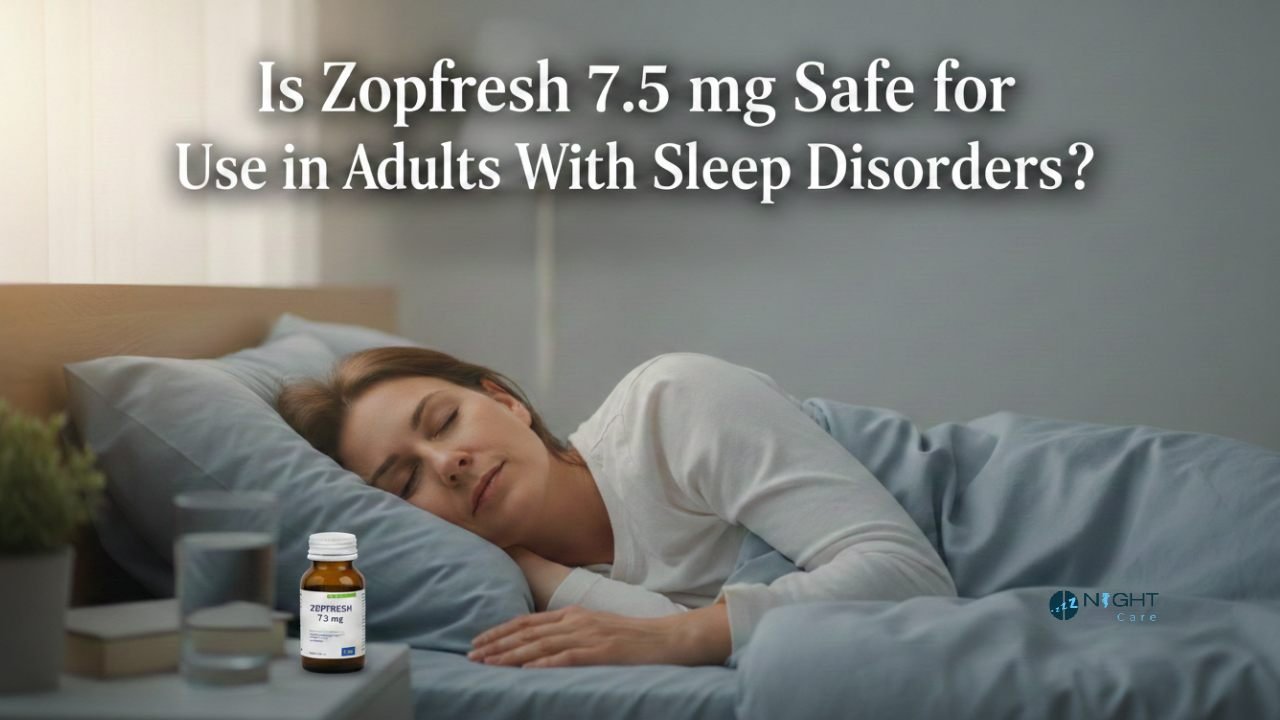
Sleep is one of the most essential biological processes for maintaining physical health, emotional balance, and cognitive performance. Yet, millions of adults worldwide struggle with insomnia and other sleep disorders. In search of relief, many turn to prescription medications such as Zopfresh 7.5 mg, which contains the active ingredient zopiclone.
While this medication can be highly effective in helping people fall asleep and stay asleep, an important and often misunderstood question remains: Is it safe to use Zopfresh 7.5 mg every day?
This comprehensive guide explores how Zopfresh works, its benefits, potential risks, and whether daily use is safe for adults dealing with sleep disorders.
Contents
- 1 Understanding Zopfresh 7.5 mg (Zopiclone)
- 2 When Is Zopfresh Prescribed?
- 3 Recommended Dosage and Duration
- 4 Duration of Use
- 5 Can Zopfresh 7.5 mg Be Taken Daily?
- 6 Benefits of Controlled Daily Use
- 7 Risks of Daily Use Over Time
- 8 Who Should Avoid Daily Use?
- 9 Safe Usage Guidelines
- 10 Long-Term Alternatives to Daily Medication
- 11 When You Should Consult a Doctor for Sleep Issues
- 12 Conclusion
Understanding Zopfresh 7.5 mg (Zopiclone)
Zopfresh is a sleep medication that belongs to a class of drugs known as non-benzodiazepine hypnotics, commonly referred to as Z-drugs. Although it is not chemically a benzodiazepine, it works in a similar way in the brain.
How It Works
Zopiclone 7.5 mg enhances the effect of GABA (gamma-aminobutyric acid), a neurotransmitter responsible for calming the nervous system. By increasing GABA activity, the drug slows down brain activity, making it easier to fall asleep and remain asleep throughout the night.
Key Effects
- Reduces time to fall asleep
- Decreases nighttime awakenings
- Improves overall sleep quality
- Produces a calming, sedative effect
Because of these properties, Zopfresh is widely prescribed for short-term treatment of insomnia.
When Is Zopfresh Prescribed?
Doctors typically recommend Zopfresh for individuals experiencing short-term or acute sleep problems. These may include:
- Stress-related insomnia
- Travel-related sleep disruption (jet lag)
- Temporary anxiety affecting sleep
- Sudden lifestyle or schedule changes
It is important to understand that Zopfresh is not intended as a long-term solution for chronic sleep disorders. Instead, it is used to provide temporary relief while underlying causes are addressed.
Recommended Dosage and Duration
The standard adult dose of zopiclone is 7.5 mg taken just before bedtime. In some cases, particularly for elderly patients or those with certain medical conditions, a lower dose of 3.75 mg may be recommended.
Duration of Use
Medical guidelines generally advise:
- Short-term use for 7 to 14 days initially
- A maximum total duration of 2 to 4 weeks, including any dose tapering
Prolonged or continuous use beyond this period is generally discouraged due to the increased risk of tolerance, dependence, withdrawal symptoms, and reduced effectiveness over time.
Can Zopfresh 7.5 mg Be Taken Daily?
Buy Zopfresh 7.5 mg (which contains zopiclone, a sedative-hypnotic) is commonly prescribed for insomnia, but how you use it, especially daily matters a lot. Here’s a clearer, deeper explanation of what you outlined:
Short-Term Daily Use
Yes, Zopfresh can be taken daily for a short period, provided it is prescribed by a doctor. During this time, the medication can effectively stabilize sleep patterns and provide much-needed rest.
Long-Term Daily Use
No, long-term daily use is generally not considered safe without strict medical supervision. The body and brain can adapt to the drug, leading to reduced effectiveness and increased risks.
Benefits of Controlled Daily Use
When Zopfresh (zopiclone) is used daily for a short, doctor-prescribed period, it can provide meaningful relief from sleep problems especially for people dealing with insomnia. The key is controlled and temporary use, not long-term dependence.
1. Rapid Relief from Insomnia
One of the main advantages of Zopfresh is how quickly it starts working.
- It typically begins to act within 20–30 minutes after taking it.
- This helps people who struggle to fall asleep get to sleep faster, instead of lying awake for hours.
- Many users notice improvement within the first few nights, which can be very reassuring.
👉 This quick action is especially helpful during acute or stressful periods when sleep is suddenly disrupted.
2. Improved Sleep Continuity
Zopfresh doesn’t just help you fall asleep it also helps you stay asleep.
- It reduces frequent awakenings during the night.
- Promotes longer, uninterrupted sleep cycles.
- Leads to more deep and restorative sleep.
👉 As a result, sleep feels more refreshing, rather than broken or incomplete.
3. Better Daytime Functioning
When your sleep improves, your daytime life improves too. With consistent short-term use, people often experience:
- Better concentration → Easier to focus on tasks
- Improved mood stability → Less irritability and emotional swings
- Higher energy levels → Feeling less tired or sluggish
- Increased productivity → Better performance at work or daily activities
👉 These benefits are especially important for individuals whose work, studies, or personal responsibilities are affected by poor sleep.
4. Restoring a Healthy Sleep Pattern
Short-term daily use can help reset your sleep cycle:
- Trains your body to follow a regular sleep schedule
- Reduces anxiety around not being able to sleep
- Supports a smoother transition back to natural sleep once the medication is stopped
Important Note
While these benefits are real, they apply only when Zopfresh is used responsibly and for a short duration under medical guidance. Long-term or unsupervised use can lead to dependence and reduced effectiveness.
Risks of Daily Use Over Time
Here’s a clear explanation of the risks of daily use over time, especially for medications like Zopiclone:
1. Dependence and Addiction
Daily use of Zopiclone can make the brain rely on it for sleep. Over time, natural sleep mechanisms weaken, leading to psychological and physical dependence. Users may feel unable to sleep without it, crave doses, or misuse it, increasing the risk of addiction and long-term health consequences.
2. Tolerance Development
With prolonged use of Zopiclone, the body adapts, reducing the drug’s effectiveness. The same dose no longer produces the desired sleep effect, prompting higher doses. This escalation raises the likelihood of side effects, dependence, and potential overdose, making long-term daily use increasingly risky and difficult to manage safely.
3. Rebound Insomnia
When Zopiclone is stopped suddenly, sleep problems may return more severely than before. This rebound insomnia occurs because the body has adapted to the drug. Users may struggle to fall or stay asleep, reinforcing dependence and making gradual tapering under medical supervision essential for safer discontinuation.
4. Cognitive and Memory Impairment
Long-term use of Zopiclone can impair brain function. Users may experience short-term memory loss, poor concentration, and reduced mental clarity. These cognitive effects can interfere with daily activities, decision-making, and productivity, particularly in tasks requiring focus, learning, or quick thinking over extended periods.
5. Daytime Drowsiness and Fatigue
Although taken at night, Zopiclone may cause lingering sedation the next day. This results in grogginess, fatigue, and slower reaction times. Such effects increase the risk of accidents, especially while driving or operating machinery, and can negatively impact work performance and overall daily functioning.
6. Unusual Sleep Behaviors
Rarely, Zopiclone can cause complex sleep-related behaviors. These include sleepwalking, eating, talking, or even driving while not fully awake. Such actions are dangerous because the person has little or no memory of them, posing serious safety risks to themselves and others around them.
7. Withdrawal Symptoms
Stopping Zopiclone after long-term use may trigger withdrawal symptoms. These include anxiety, irritability, sweating, restlessness, and rapid heartbeat. In severe cases, confusion or hallucinations can occur. Gradual dose reduction is recommended to minimize withdrawal effects and ensure a safer transition off the medication.
Who Should Avoid Daily Use?
Daily use of Zopfresh 7.5 mg (zopiclone) can be risky for certain groups because of how the drug affects the brain, breathing, and how it’s processed in the body. Here’s a deeper, clearer explanation of why these groups need extra caution:
High-Risk Groups
- Elderly individuals: They are more sensitive to sedative effects, which increases the risk of dizziness, confusion, falls, and fractures.
- People with liver or kidney disease: These conditions can slow down how the drug is metabolized and cleared from the body, leading to accumulation and increased side effects.
- Patients with breathing disorders: Conditions like sleep apnea or chronic lung disease may worsen, as zopiclone can suppress breathing.
- Individuals with a history of substance abuse: Zopiclone has dependence potential, and daily use can increase the risk of misuse or addiction.
- Pregnant or breastfeeding women: The drug may affect the baby, either during pregnancy or through breast milk.
For these groups, even short-term use should be carefully monitored.
Safe Usage Guidelines
If you are prescribed Zopfresh 7.5 mg, following safety guidelines is crucial.
1. Use the Lowest Effective Dose
Always take the smallest dose of zopiclone that helps you fall asleep. Higher doses increase the risk of side effects like dizziness, confusion, and dependency. Never increase your dose without medical advice, even if the current dose seems less effective over time.
2. Limit Duration
Zopiclone is generally prescribed for short-term use, usually a few days to a few weeks. Long-term use can lead to dependence, tolerance, and withdrawal symptoms. Always follow your doctor’s prescribed duration and avoid extending use without proper medical supervision.
3. Avoid Alcohol
Alcohol and zopiclone both depress the central nervous system. Taking them together can dangerously increase sedation, slow breathing, and impair coordination. This combination raises the risk of accidents, unconsciousness, or even life-threatening respiratory depression, so it should always be strictly avoided.
4. Maintain Proper Sleep Time
After taking zopiclone, you should have at least 7–8 hours available for uninterrupted sleep. Waking up too early can cause grogginess, poor concentration, and memory issues. Proper sleep time ensures the drug wears off safely before you need to be active again.
5. Do Not Stop Abruptly
If you have been using zopiclone regularly for several weeks, stopping suddenly may cause withdrawal symptoms like anxiety, insomnia, restlessness, or irritability. A doctor can guide you on gradually reducing the dose to safely discontinue the medication without causing discomfort or complications.
Long-Term Alternatives to Daily Medication
Because medications like Zopfresh are generally meant for short-term use, relying on them every night can lead to dependence, reduced effectiveness, and side effects. Instead, more sustainable approaches focus on treating the root causes of insomnia.
1. Cognitive Behavioral Therapy for Insomnia (CBT-I)
Cognitive Behavioral Therapy for Insomnia is widely recommended as the most effective long-term treatment for chronic insomnia.
How it works:
CBT-I helps you change negative thoughts and habits that disrupt sleep. It typically includes:
- Sleep restriction – limits time in bed to improve sleep efficiency
- Stimulus control – trains your brain to associate the bed only with sleep
- Cognitive restructuring – reduces anxiety about not sleeping
- Relaxation techniques – such as deep breathing or meditation
Why it’s effective:
- Treats the cause, not just symptoms
- Has long-lasting results even after therapy ends
- No risk of medication dependence
2. Lifestyle Changes (Sleep Hygiene)
Improving daily habits known as sleep hygiene can significantly improve sleep quality over time.
Key habits to follow:
⏰ Maintain a consistent sleep schedule
- Go to bed and wake up at the same time every day, even on weekends
- Helps regulate your body’s internal clock (circadian rhythm)
📵 Avoid screens before bedtime
- Blue light from phones and TVs suppresses Melatonin, making it harder to fall asleep
- Stop screen use at least 30–60 minutes before bed
☕ Reduce caffeine intake
- Avoid caffeine after mid-afternoon
- Found in coffee, tea, chocolate, and energy drinks
🛏️ Create a relaxing sleep environment
- Keep your bedroom cool, dark, and quiet.
- Use comfortable bedding and minimize noise/light disruptions.
3. Natural Remedies (Use with Caution)
Some natural options may support sleep, but they should still be used carefully and ideally under professional guidance.
Common options:
🌙 Melatonin supplements
- Helps regulate sleep-wake cycles.
- Useful for jet lag or irregular sleep schedules.
- Not always effective for long-term insomnia without other changes.
🍵 Herbal teas
- Chamomile tea – calming and mildly sedative.
- Valerian root – may reduce time to fall asleep.
Important note:
- Natural does not always mean safe for everyone.
- Can interact with medications or cause side effects.
- Always consult a healthcare provider before regular use.
When You Should Consult a Doctor for Sleep Issues
While sleep medications can be helpful in the short term, they are not meant for long-term use without medical supervision. You should consult a doctor in the following situations:
1. If you need sleep medication for more than 2–4 weeks
Sleep aids are generally prescribed for short-term use. If you find yourself relying on them for longer than a few weeks, it may indicate an underlying issue such as chronic insomnia, stress, anxiety, or another health condition that needs proper evaluation and treatment.
2. If the medication stops working
Over time, your body can develop tolerance to certain sleep medications, meaning they become less effective. Increasing the dose on your own can be unsafe. A doctor can adjust your treatment plan or suggest alternatives.
3. If you experience side effects
Common side effects may include:
- Daytime drowsiness
- Dizziness or headaches
- Memory problems
- Mood changes
If you notice any unusual or severe symptoms, it’s important to seek medical advice promptly to avoid complications.
4. If you want to stop taking the medication
Stopping sleep medication suddenly can sometimes cause withdrawal symptoms or rebound insomnia (your sleep problems temporarily worsen). A healthcare provider can guide you on how to gradually reduce the dose safely.
Why consulting a doctor matters
A doctor doesn’t just manage the medication, they help identify the root cause of your sleep problems. This may involve:
- Evaluating your sleep habits and lifestyle
- Checking for conditions like anxiety, depression, or sleep disorders
- Recommending safer long-term solutions such as behavioral therapy, lifestyle changes, or alternative treatments
Bottom line
If sleep problems persist or medication becomes a regular need, it’s important to get professional guidance. Treating the underlying cause, not just the symptoms leads to safer and more effective long-term sleep improvement.
Conclusion
Zopfresh 7.5 mg can be an effective short-term option for treating insomnia, helping individuals fall asleep faster and restore a regular sleep cycle. However, it should not be viewed as a long-term solution. Daily or prolonged use may increase the risk of dependence, tolerance, memory problems, and withdrawal symptoms once stopped.
Therefore, it is important to follow medical guidance carefully and avoid self-medication. Just as trends from a Znightcare may change with time, relying only on medication is not sustainable. The real goal should be developing healthy sleep habits and addressing underlying causes, ensuring lasting and natural sleep improvement rather than temporary relief.
Also Read: Zopiclone: Improve Your Sleep to Improve Your Life