


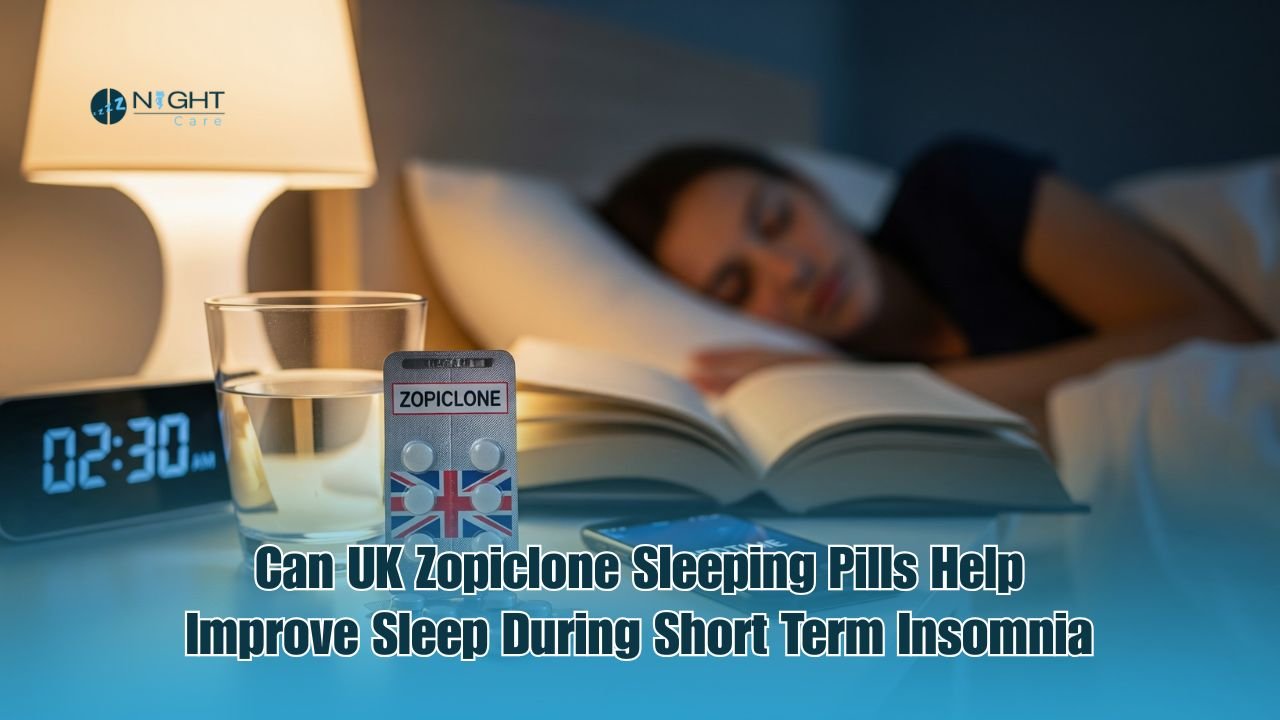
Sleep is one of the most important pillars of health. Yet, many people struggle to get enough good sleep, especially during stressful or transitional periods. Short-term insomnia trouble falling asleep or staying asleep over a few days to a few weeks can be particularly disruptive to mood, energy, and overall well-being.
Among the treatment options prescribed in the UK, zopiclone is one of the most commonly used medications for helping people sleep when insomnia becomes difficult to manage. But can zopiclone really improve sleep, and is it safe and appropriate for short-term use? In this article, we’ll take a detailed look at how zopiclone works, when it’s prescribed, what benefits it offers, what risks to watch out for, and how it fits into a broader strategy for managing insomnia.
Contents
- 1 What Is Zopiclone?
- 2 How Zopiclone Helps With Short-Term Insomnia
- 3 Benefits: When Zopiclone Can Help
- 3.1 1. Short-Term Acute Insomnia
- 3.2 2. Occasional Use for Important Situations
- 3.3 3. When Sleep Hygiene Isn’t Enough
- 3.4 Risks and Side Effects
- 3.5 Common Side Effects (What Most People May Notice)
- 3.6 Serious but Rare Side Effects (When to Be Concerned)
- 3.7 Interactions and Safety Warnings (Very Important)
- 4 Dependence and Tolerance
- 5 Safe Use Practices for Zopiclone
- 6 Alternatives to Sleeping Pills
- 7 Conclusion
What Is Zopiclone?
Zopiclone is a prescription-only sleep medication commonly used to treat short-term insomnia. Zopiclone is described as a medicine that belongs to a group called hypnotics, which are designed to help calm the mind and support natural sleep.
Zopiclone works by reducing overactivity in the brain, helping the body relax and making it easier to fall asleep and stay asleep throughout the night. It is especially helpful when sleep problems are caused by temporary factors such as stress, anxiety, travel, or changes in routine.
In the UK, Zopiclone is typically prescribed for short-term use only, usually for a few days up to two weeks. This limited use helps reduce the risk of dependence and ensures the medication is used safely and effectively. Znightcare emphasizes that Zopiclone is intended as a temporary sleep aid, while longer-term sleep improvement focuses on healthy sleep habits and addressing the underlying cause of insomnia.
How Zopiclone Helps With Short-Term Insomnia
Short-term insomnia often makes it difficult to switch off at night, especially during periods of stress or sudden lifestyle changes. Zopiclone is designed to support the body during these temporary sleep disruptions by calming the nervous system and encouraging natural sleep patterns.
Zopiclone can help by:
- Helping you fall asleep faster: Zopiclone reduces mental alertness and racing thoughts at bedtime, making it easier to relax and drift off to sleep without long periods of restlessness.
- Reducing nighttime awakenings: By maintaining a calming effect throughout the night, Zopiclone helps limit frequent waking, allowing for more continuous and undisturbed sleep.
- Improving overall sleep duration: Better sleep onset and fewer interruptions often lead to longer total sleep time, helping the body and mind feel more refreshed in the morning.
- Restoring a normal sleep routine during stressful periods: Temporary sleep problems can disrupt regular sleep schedules. Zopiclone can help reset sleeping patterns while the underlying cause—such as stress, anxiety, or travelis being addressed.
Because Zopiclone acts relatively quickly, many people notice improved sleep within the first few nights. This fast relief can be especially helpful when poor sleep begins to affect mood, focus, or daily functioning.
At znightcare, we emphasise that Zopiclone should be used only for short-term support and alongside healthy sleep habits to achieve the best results.
GABA and Sleep Regulation
The brain uses chemical messengers called neurotransmitters to control many important functions, including sleep. One of the most important neurotransmitters involved in calming the nervous system is gamma-aminobutyric acid (GABA).
GABA works by slowing down brain activity, helping the mind relax and preparing the body for sleep. Zopiclone enhances the natural effects of GABA, increasing its calming influence. This reduction in brain activity makes it easier to fall asleep and helps maintain sleep throughout the night.
Effects on Sleep
By supporting GABA’s calming action, Zopiclone can provide several noticeable sleep benefits, including:
- Falling asleep faster, especially for those who struggle to switch off at bedtime
- Fewer nighttime awakenings, leading to less disrupted sleep
- More continuous and restful sleep throughout the night
- Reduced sleep onset latency, meaning less time spent lying awake
- Improved overall sleep quality, helping you feel more refreshed on waking
These combined effects explain why doctors may prescribe Zopiclone when short-term insomnia begins to interfere with daily functioning, concentration, or overall wellbeing. When used appropriately and for a limited time, it can help restore a healthier sleep pattern while underlying sleep issues are addressed.
UK Prescribing Guidelines
In the UK, zopiclone is prescribed under specific guidelines to minimise the risks that come with sedative drugs.
Duration of Use
Unlike some medications taken long-term, zopiclone is recommended for short-term use only usually 2 to 4 weeks at most. Most NHS guidance suggests the shortest possible course should be used to help someone through a period of insomnia, instead of becoming a regular nightly routine.
Typical Dosage
The usual dose for adults is 7.5 mg taken at bedtime. A lower dose (3.75 mg) may be prescribed initially for older adults (over 65) or those with liver or kidney problems to reduce side-effect risks.
Zopiclone should be taken just before going to bed, and you should ensure you have time for about 7 to 8 hours of uninterrupted sleep.
Why Short Duration Matters
Prolonged use of zopiclone beyond the recommended 2–4 weeks can lead to tolerance (needing higher doses for the same effect) and physical dependence.
Because of these risks, doctors generally avoid long-term prescribing and regularly review whether continued use is necessary.
Benefits: When Zopiclone Can Help
Zopiclone is intended for short-term use and may be helpful in specific situations where temporary sleep difficulties are affecting daily life. When prescribed appropriately, it can provide support during brief periods of disrupted sleep.
1. Short-Term Acute Insomnia
If sleep problems have started suddenly due to a stressful life event, emotional pressure, illness, travel, or jet lag, Zopiclone may offer temporary relief. During these times, the mind can remain overactive at night, making it difficult to fall or stay asleep. Short-term sleep treatment can help restore sleep while the body adjusts.
2. Occasional Use for Important Situations
In certain circumstances, Zopiclone may be used occasionally when good-quality sleep is particularly important, such as before exams, presentations, or important meetings. A short course, taken under medical guidance, can help ensure adequate rest during high-pressure periods.
3. When Sleep Hygiene Isn’t Enough
Healthy sleep habits are essential, but short episodes of insomnia can still occur despite good routines and lifestyle choices. In these cases, Zopiclone can act as a temporary measure, helping improve sleep while other contributing factors are addressed.
Zopiclone should always be used for the shortest duration possible and under professional supervision.
Risks and Side Effects
Zopiclone is generally effective for short-term treatment of insomnia, but like all sleep medications, it affects the brain and nervous system. Because of this, it can cause side effects that range from mild inconvenience to rare but serious reactions. Understanding these helps you use the medication more safely.
Common Side Effects (What Most People May Notice)
These side effects are the most frequently reported and usually occur because zopiclone continues to affect the brain after waking:
- Bitter or metallic taste: This is very common and can last for several hours after waking. It’s harmless but unpleasant.
- Dry mouth: Zopiclone can reduce saliva production, leading to thirst or discomfort, especially in the morning.
- Morning sleepiness: Some people feel groggy or heavy-headed the next day, particularly if they didn’t get a full night’s sleep (7–8 hours).
- Daytime drowsiness or fatigue: Concentration and alertness may be reduced, which can affect work, studying, or reaction time.
These effects are usually mild and may improve after a few days as the body adjusts. Taking the medication exactly as prescribed and allowing enough time for sleep reduces these risks.
Serious but Rare Side Effects (When to Be Concerned)
In a small number of people, zopiclone can cause stronger effects on memory, mood, or perception:
- Memory problems (anterograde amnesia): You may not remember things that happened after taking the tablet, such as conversations or activities during the night.
- Hallucinations or vivid nightmares: Some users report seeing or hearing things that aren’t there, or experiencing intense, disturbing dreams.
- Confusion or mood changes: This can include agitation, irritability, anxiety, or unusual behavior, particularly in older adults.
- Severe allergic reactions: Symptoms may include rash, swelling of the face or throat, difficulty breathing, or severe dizziness. This is a medical emergency.
If any of these occur, stop taking the medication and seek medical attention immediately.
Interactions and Safety Warnings (Very Important)
Zopiclone slows down brain activity. Combining it with other substances that do the same can be dangerous.
- Alcohol: Drinking alcohol while taking zopiclone can greatly increase sedation, leading to extreme drowsiness, poor coordination, blackouts, or breathing problems.
- Opioids and other CNS depressants: Medicines such as morphine, codeine, benzodiazepines, or certain anxiety medications can suppress breathing when combined with zopiclone, increasing the risk of coma or death.
- Driving and operating machinery: If you feel drowsy, dizzy, or mentally slow the next day, do not drive or use heavy machinery. Reaction time and judgment may be impaired even if you feel awake.
Dependence and Tolerance
One of the key concerns with zopiclone is the risk of developing dependence.
Using zopiclone every night for a prolonged period can lead to tolerance, meaning the body gradually becomes less responsive to the medication. As a result, higher doses may be needed to achieve the same sleep-inducing effect.
With continued use, physical dependence can also develop. This means that stopping the medication suddenly may trigger rebound insomnia, where sleep problems return and are often worse than before treatment began.
For these reasons, clinicians in the UK typically prescribe zopiclone for short-term use only. Regular review is recommended, and daily long-term use is generally discouraged unless carefully monitored by a healthcare professional.
Safe Use Practices for Zopiclone
If your doctor has prescribed zopiclone, it’s important to use it carefully. The medicine can be helpful for short-term sleep problems, but safe use reduces side effects and dependence.
✔ Take It Only as Prescribed
Zopiclone should be taken exactly as your doctor recommends. Taking a higher dose or using it more often will not improve sleep and can increase side effects such as daytime drowsiness, confusion, or dependence. Never adjust the dose on your own.
✔ Use Only for Short Periods
Zopiclone is meant for short-term treatment of insomnia. Most people should use it for a few days to a few weeks at most. Using it for long periods can make it less effective and may lead to dependence or difficulty sleeping without it.
✔ Maintain Good Sleep Hygiene
Zopiclone works best when combined with healthy sleep habits. Try to go to bed and wake up at the same time each day. Keep your bedroom quiet, dark, and cool. Avoid screens, caffeine, and heavy meals close to bedtime. Medication can help temporarily, but long-term sleep improvement comes from good routines.
✔ Avoid Alcohol and Other Sedatives
Alcohol, opioid painkillers, and other sleeping or anxiety medications can dangerously increase the sedative effects of zopiclone. This combination can slow breathing, impair judgment, and raise the risk of accidents or overdose. Always tell your doctor about any other medicines you are taking.
✔ Plan for Enough Sleep Time
Take zopiclone only when you are ready to sleep and can stay in bed for at least 7–8 hours. Taking it too late at night or when you must wake early can cause next-day drowsiness, poor concentration, or memory problems.
✔ Consult Your Doctor Before Stopping
If zopiclone has been used for more than a short period, stopping suddenly may cause rebound insomnia (worse sleep for a few nights). Your doctor may suggest slowly reducing the dose to help your body adjust and improve sleep naturally.
Alternatives to Sleeping Pills
Zopiclone is not the only treatment option for insomnia. Many people improve their sleep through non-medication approaches, which can be safer and more effective in the long term.
1. Cognitive Behavioural Therapy for Insomnia (CBT-I)
CBT-I is considered the gold-standard treatment for chronic insomnia. It helps identify and change unhelpful thoughts, beliefs, and habits that interfere with sleep. Unlike sleeping pills, CBT-I focuses on long-term improvement and teaches skills that support healthy sleep patterns.
2. Lifestyle Changes and Sleep Hygiene
Simple lifestyle adjustments can significantly improve sleep quality. These include maintaining a consistent sleep and wake schedule, limiting caffeine and nicotine (especially in the evening), reducing screen time before bed, and creating a comfortable sleep environment. For many people, these changes reduce or eliminate the need for medication.
3. Relaxation Techniques
Practices such as mindfulness, meditation, deep breathing exercises, and gentle stretching before bedtime can calm the nervous system. These techniques help reduce stress and anxiety, making it easier for the body and mind to transition into sleep.
Conclusion
Zopiclone can be an effective short-term aid for insomnia in the UK, helping people fall asleep faster and sleep more soundly during a difficult period. But it is not a long-term solution and must be used with caution, under medical supervision, and alongside good sleep practices.
While it offers real benefits for short-term sleep issues, understanding risks, side effects, and dependency potential is crucial before deciding it’s the right option for you.
Sleep is a vital part of health and whether you use medication, therapy, or lifestyle changes, the goal should always be healthy, restorative sleep that supports your overall well-being.
Also Read: Zopiclone 7.5 mg considerations for safe use in adult insomnia patients
[…] and relaxation training. Unlike medication, it treats the root causes of insomnia and provides long-term improvements in sleep quality and […]